
Jump to Chapter: 16 17 18 19 20
Chapter 16
- The phrase. “Nothing really bad will happen” was shared by my mother during several conversations in which she related that her grandfather really believed things would blow over.


Herman Spiegel

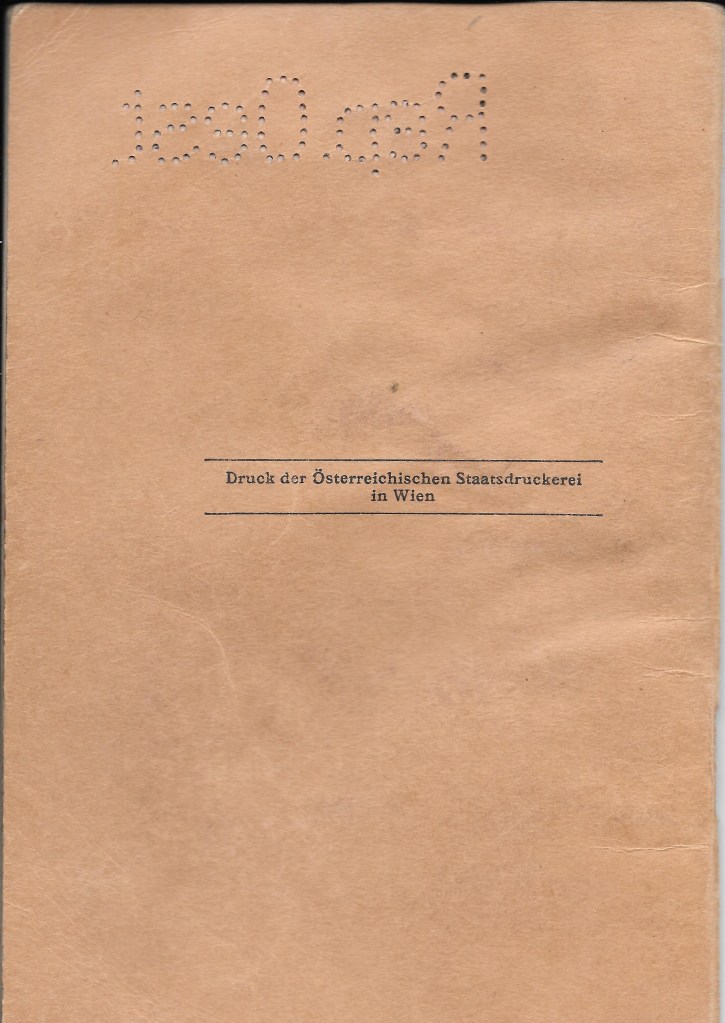
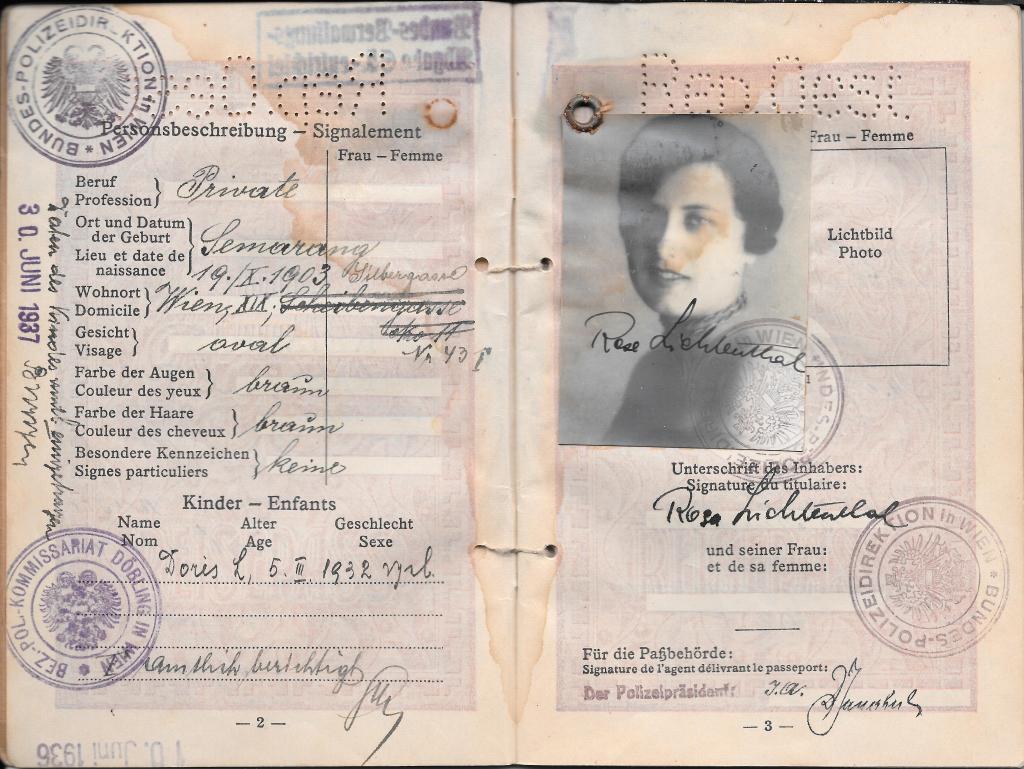
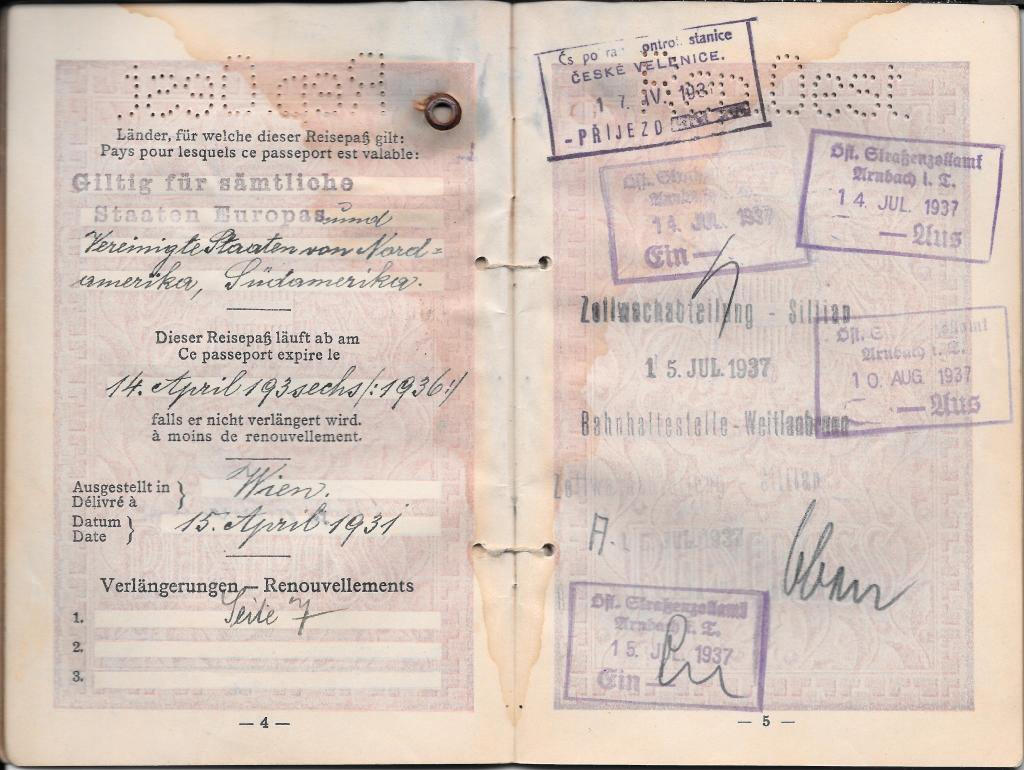
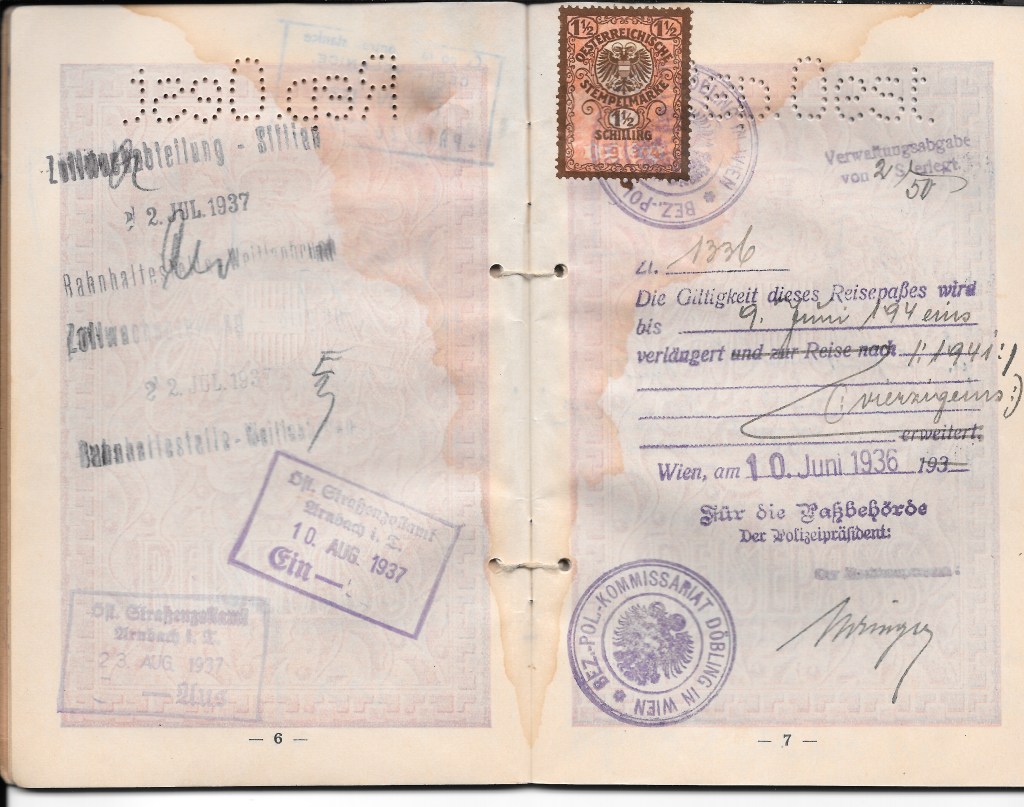
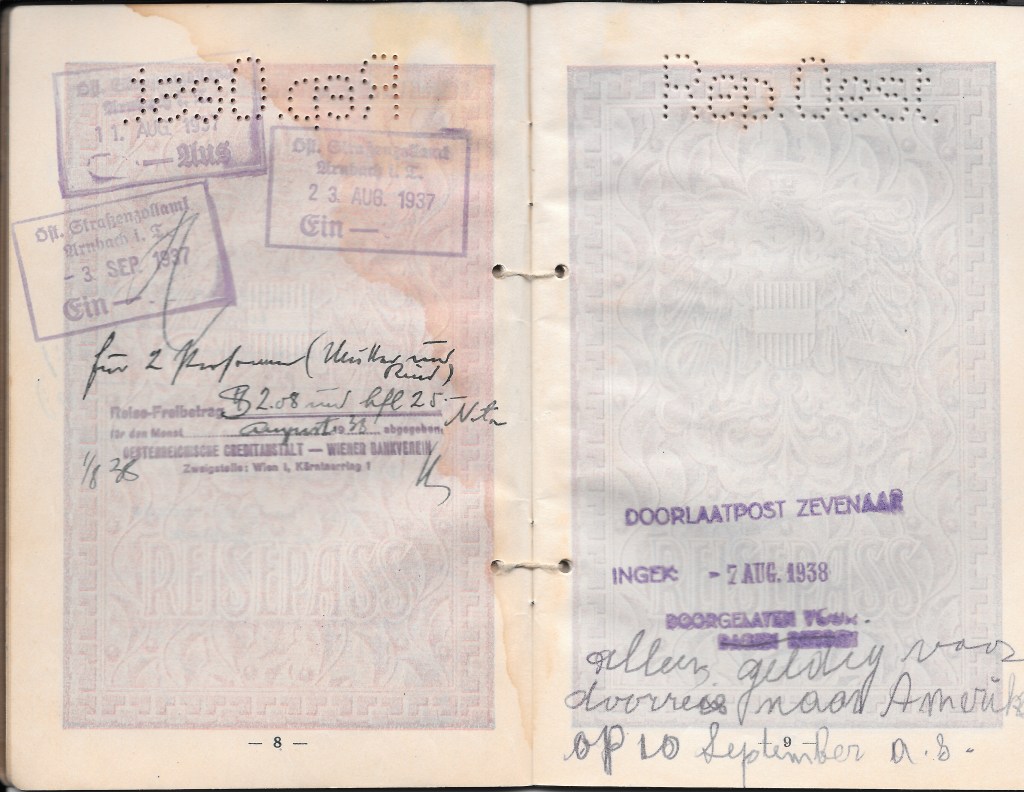
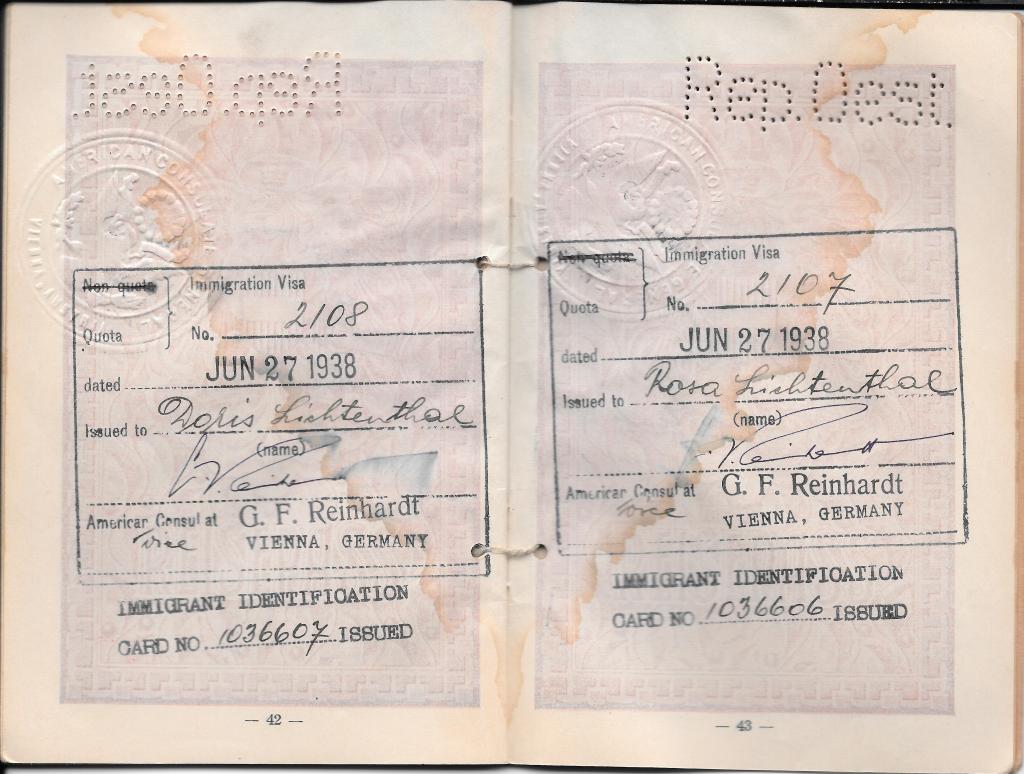
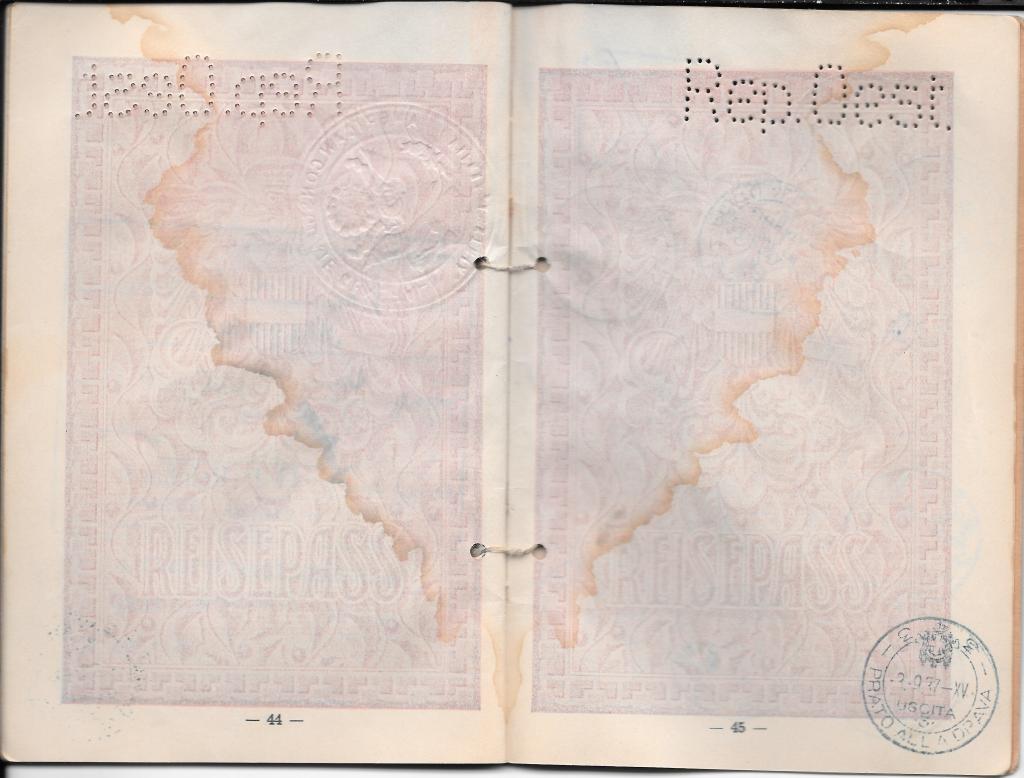
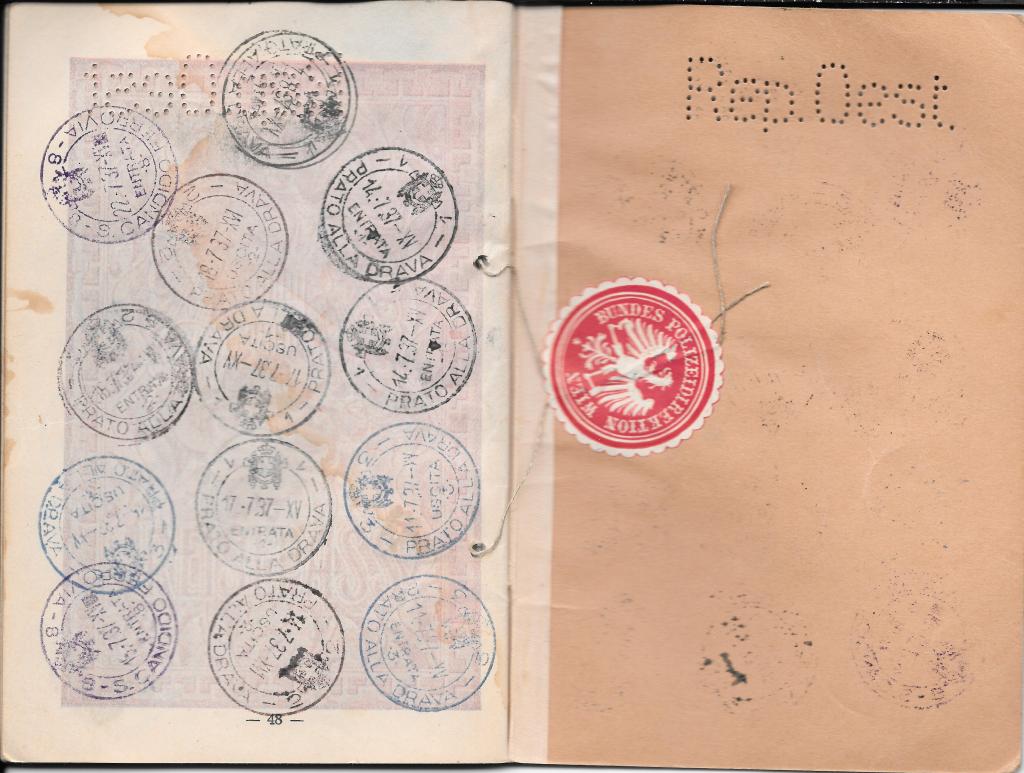
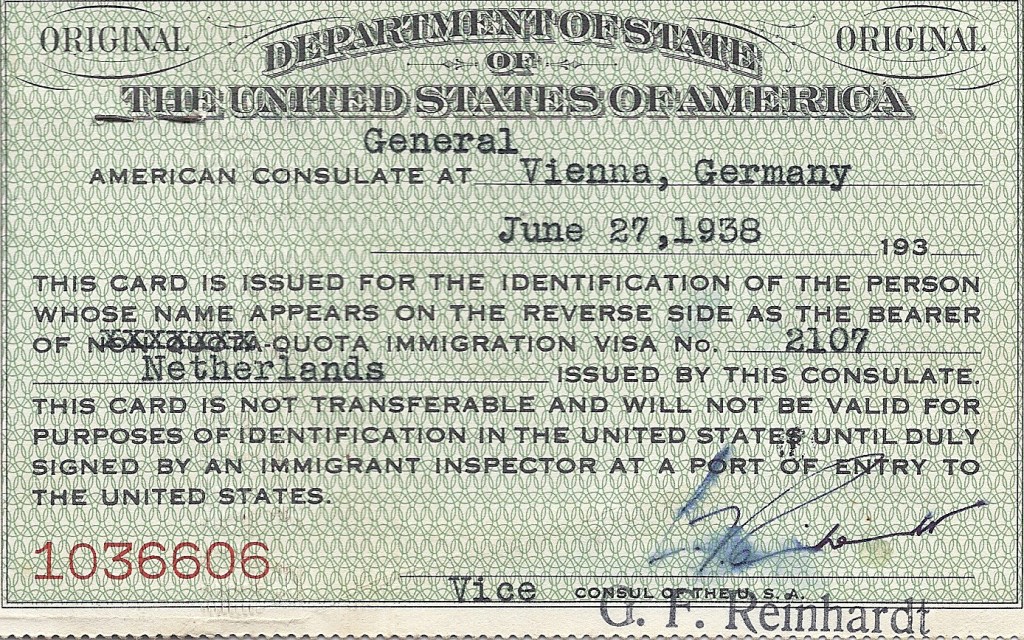
The images below are of Rose’s passport. Click on each image to enlarge.





Chapter 17
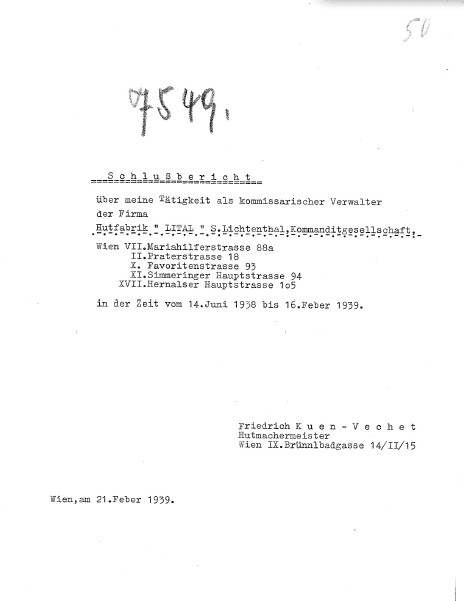
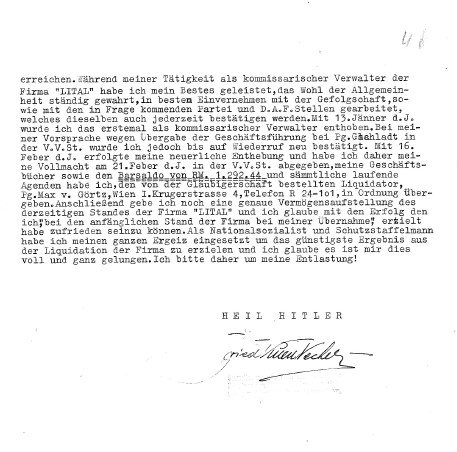
- Scenes related to the liquidation of LITAL were based on the diary of Kuen-Vechet, letters written after the fact between Sigmund and his lawyers, as well as a wealth of documentation provided by the Austrian Archives. CLICK on the images below to enlarge the pages of Kuen-Vechet’s summary report. This report, written upon the completion of his work in 1939, once translated, gave me a detail summary of the liquidation of LITAL



- The conversations between Sigmund and Rosa were based on the new regulation requiring Jews to add Sara and Israel to their names and research into the events of the time.
- The sale of the Scheibengasse house to Franz Nenninger was described in several letters written by Sigmund.
Chapter 18
The images below are of the silverware owned by Sophie. The photo on the left shows the flatware on one of Sophie’s kitchen towels. This towel must have been part of Sophie’s trousseau, as the initials SW are embroidered on the corner. Weiss was Sophie’s maiden name. The invoice (Rechnung) for the set was proof that the story my mother told of Sophie being “hochwohlgeboren,” or high society, was, in fact, true! I am now the proud owner of this set.


The conversations between Rose and Doris were imagined. However, my mother did tell of seeing a huge fire while on the train from Vienna to Holland. Doris’s statement “Tell the captain I want to get off!” was shared during the videotaped interview with her granddaughter, Caitlin. Click HERE to view that video of Doris describing her trip to America.
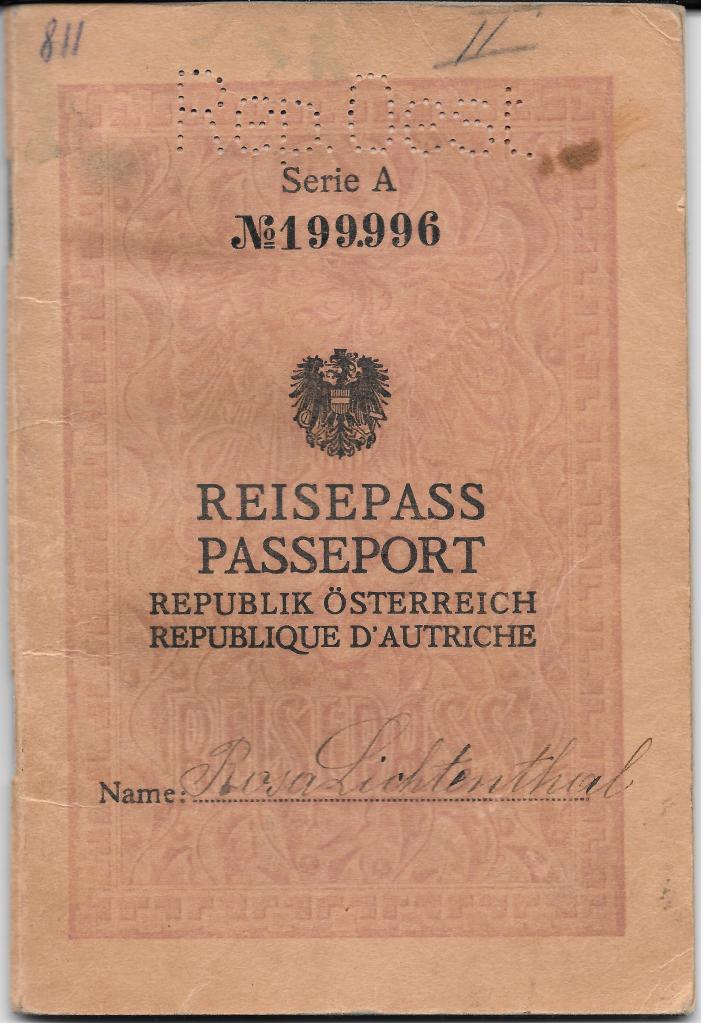
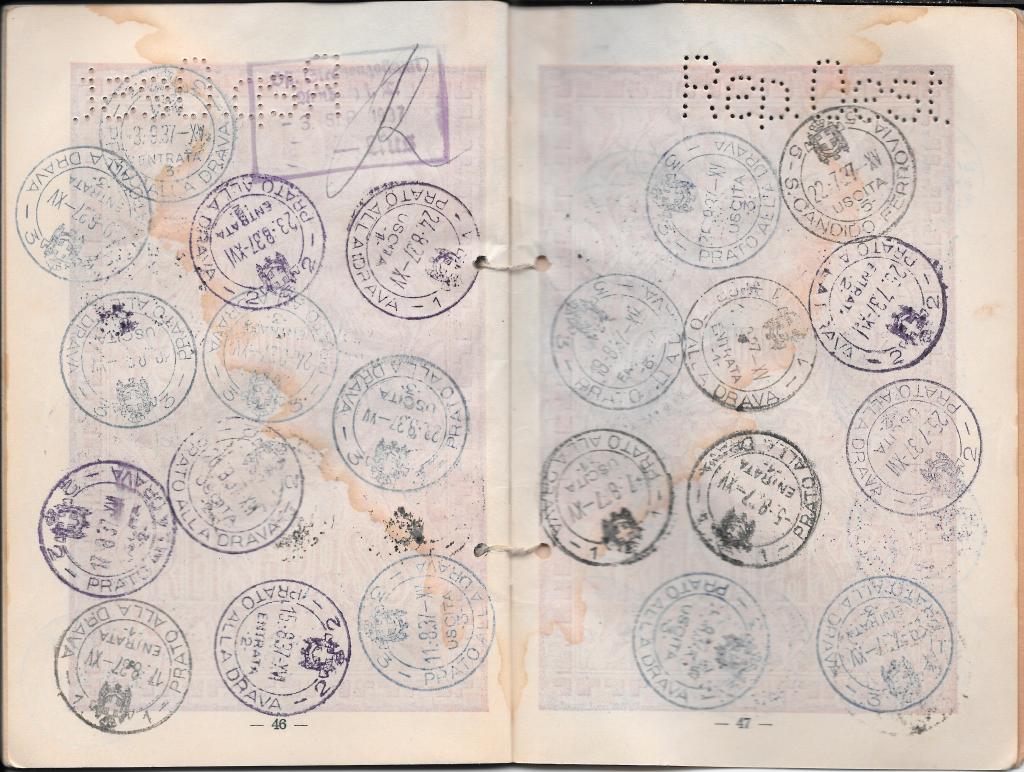
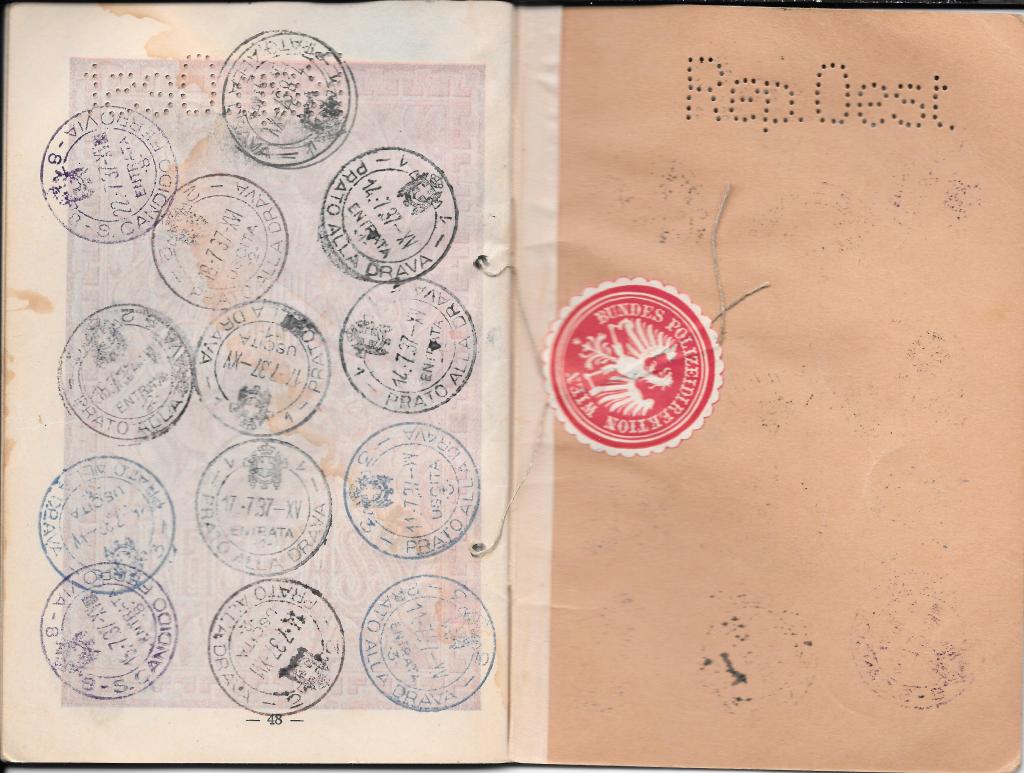
Click on the individual images below to enlarge the pages from Rose’s passport. The train route was based on information found in Rose’s passport, as well as research into trains across Europe at that time.


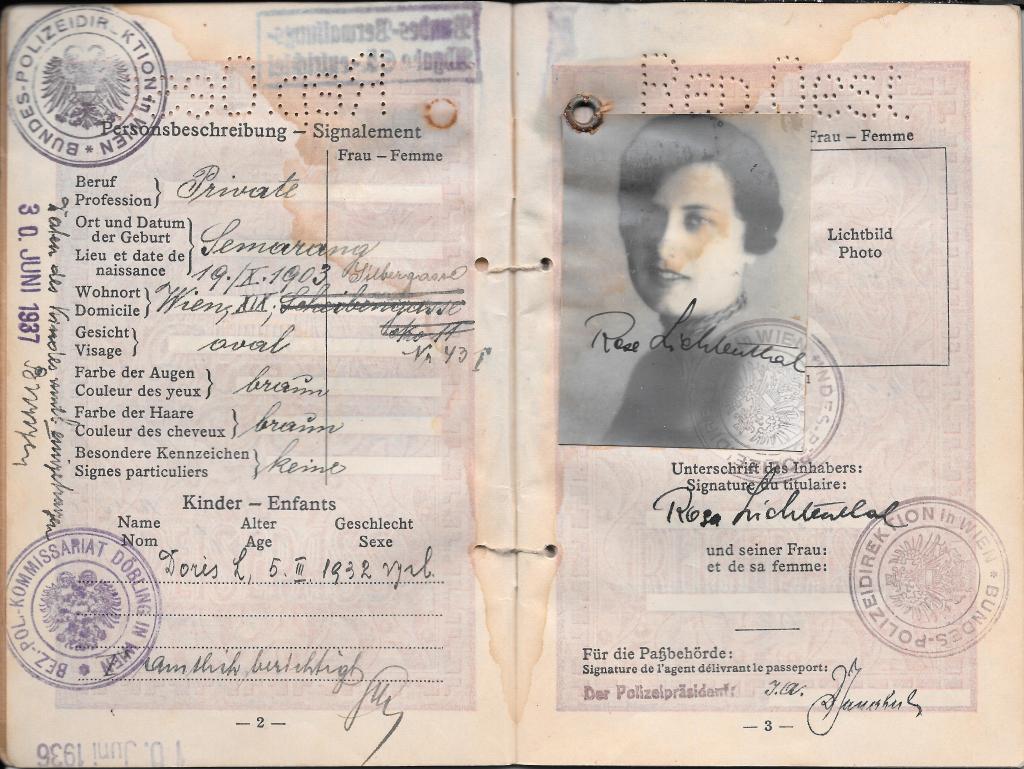
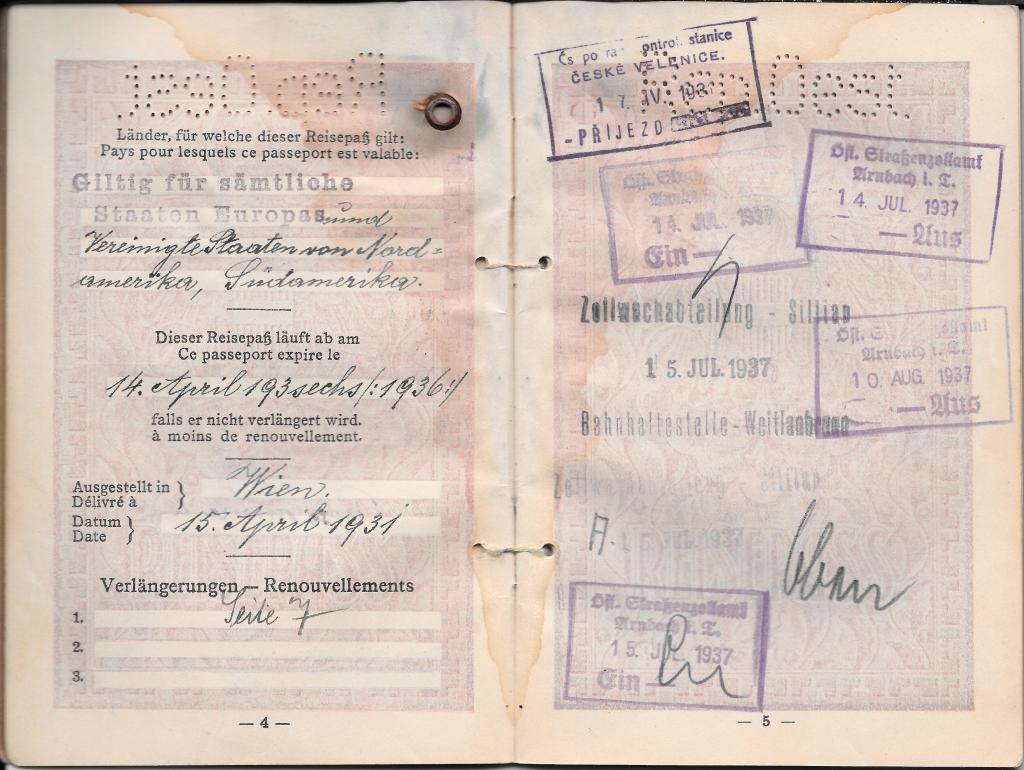

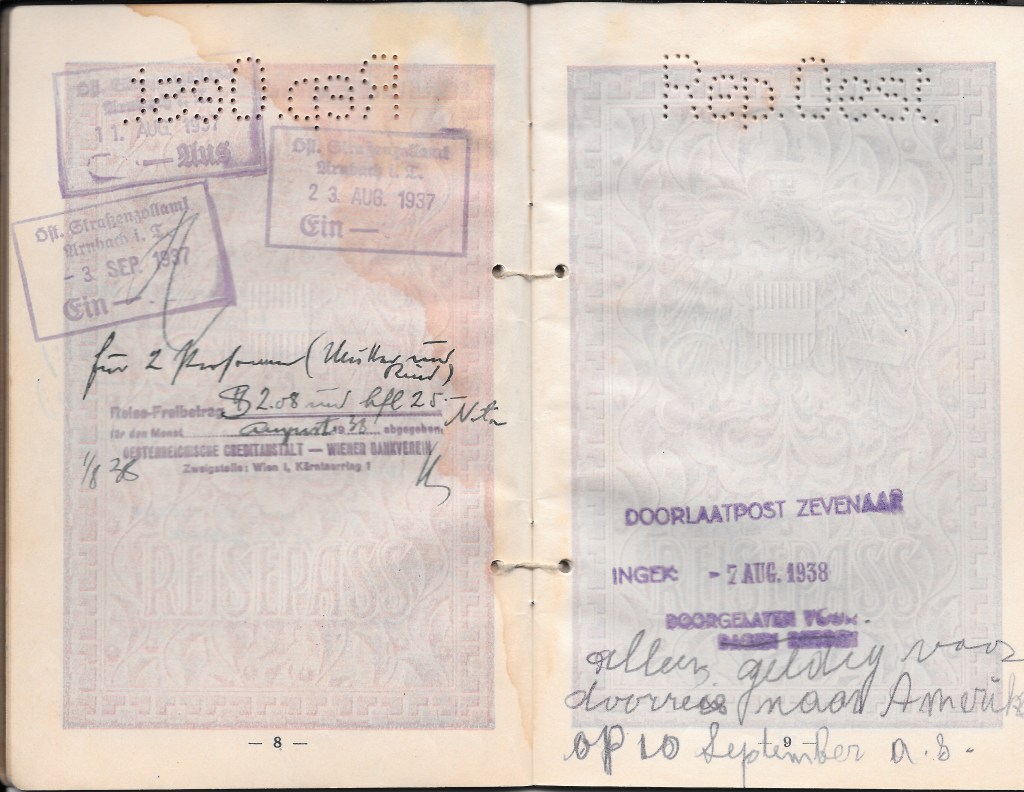
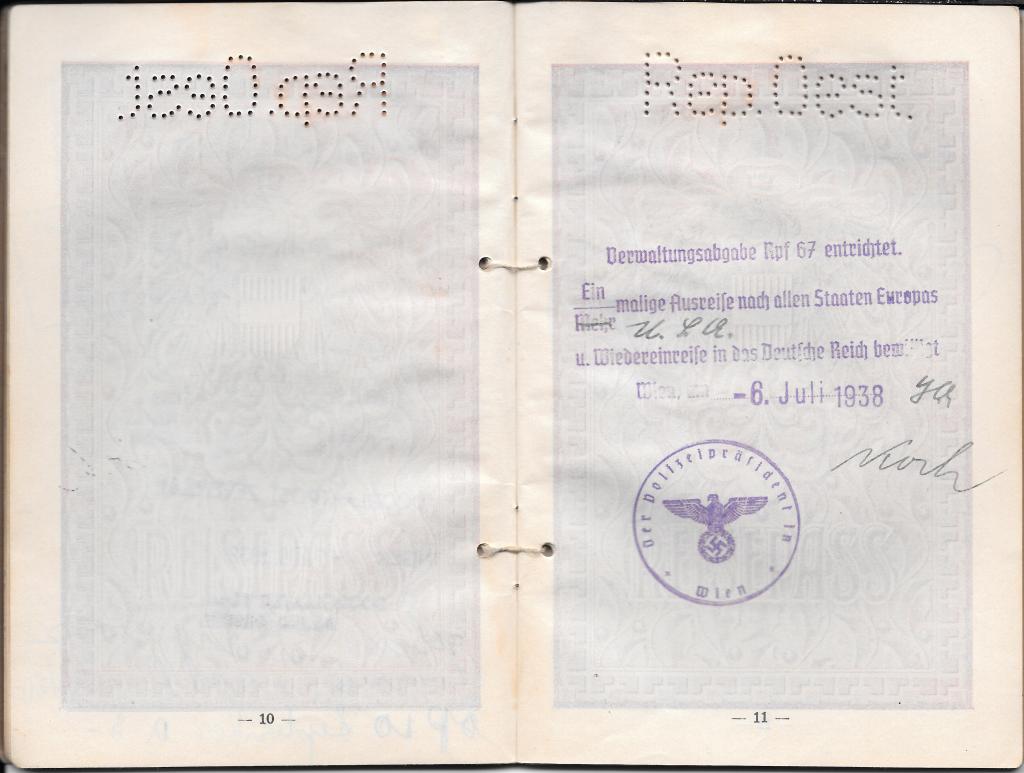



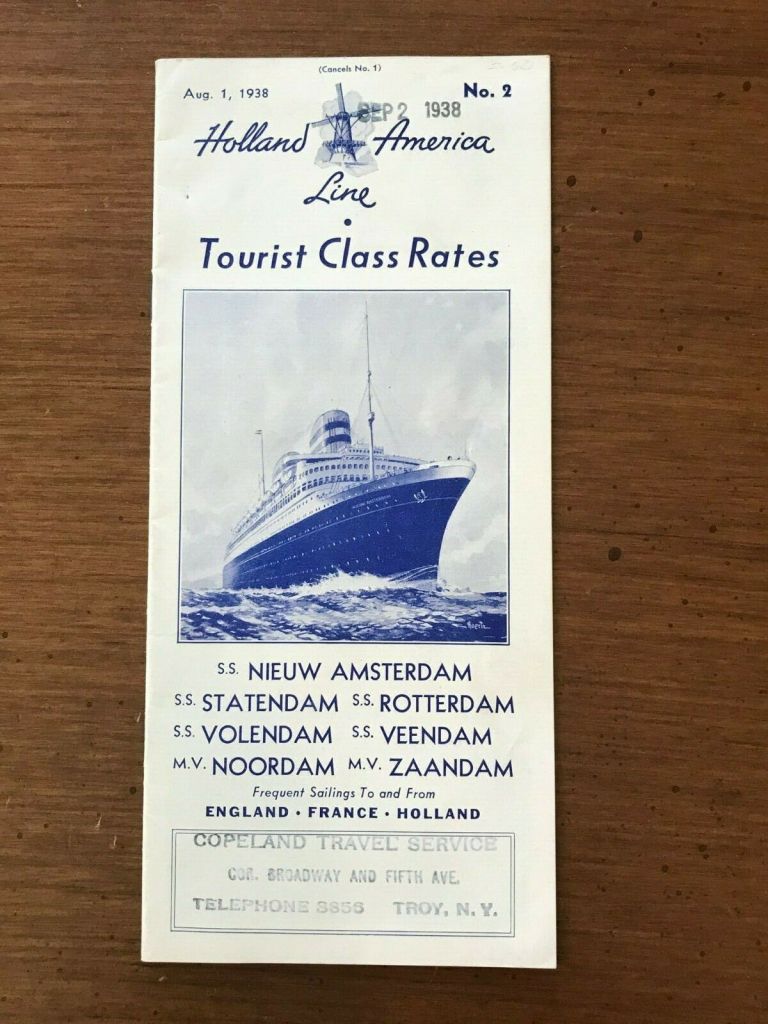
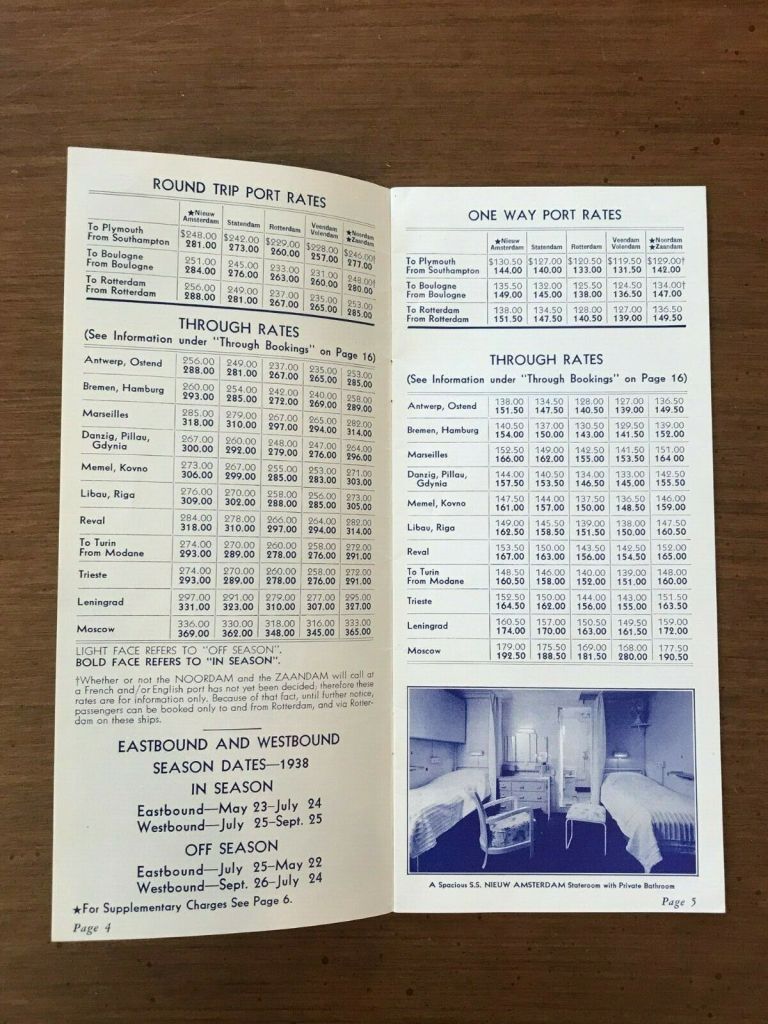
The description of the Statendam and the trip across the Atlantic was based on online images and research, as well as a travel brochure I purchased on eBay. Click on each image to enlarge.

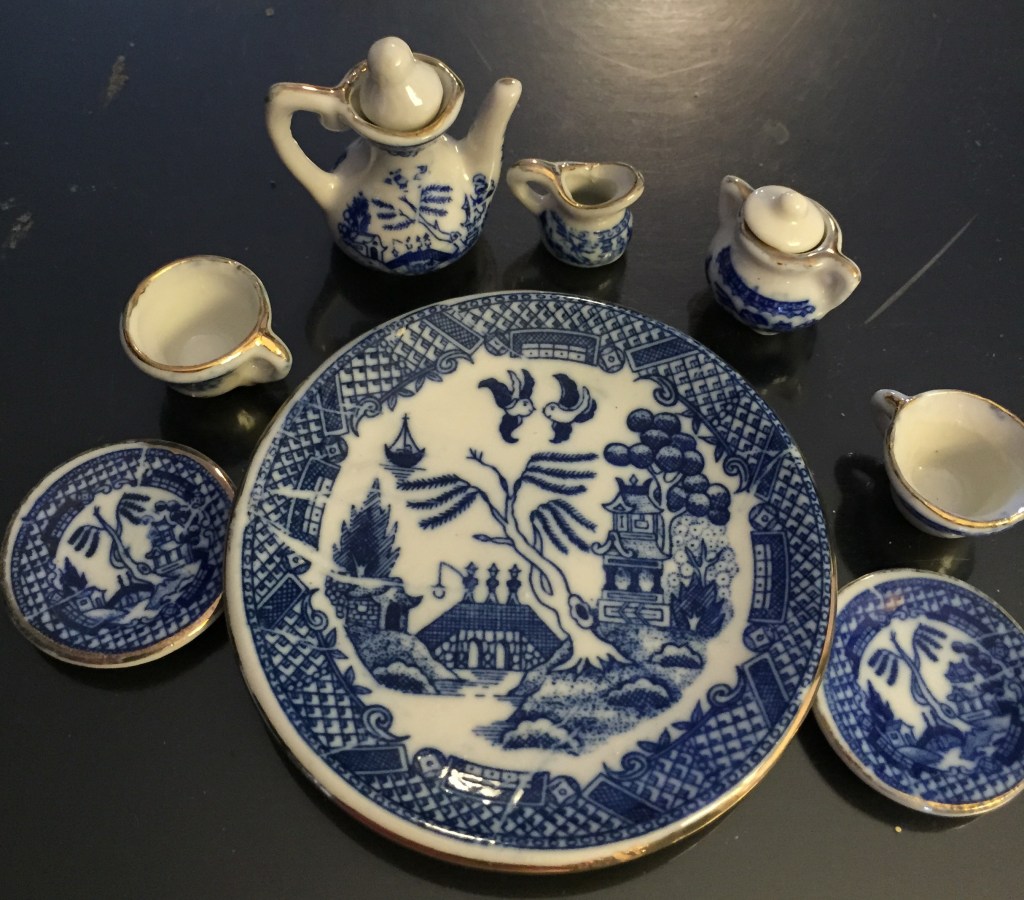
My mother told me the story about receiving the child’s tea set as a gift. The picture below is one of many miniature tea sets she collected. One has to wonder if receiving that gift as a young child sparked her lifelong interest in miniatures.
Chapter 19
- The scene of Paul experiencing belly pain and the prisoner who helped him was based on information he shared in his written testimonies. To clear up any confusion: there actually was a prisoner with the last name of ZIFFER at Dachau who was a doctor. Apparently, he was not a nice guy. He was killed by other inmates shortly after his transfer to Buchenwald. Source: Eyewitness account of Hugo David, who likely was on the same transport to Dachau as Paul.
- All the scenes related to Herbert Zipper and his secret orchestra were based on my research, in particular, the book “Dachau Song” written by Paul Cummings. While I do not have proof that Paul and Zipper had any contact, it is highly likely. Both men were detained at Karajangasse at the same time. They were on the same train from Vienna to Dachau and were housed two cells apart. Paul also was an accomplished cellist.
- Click on the individual images below to view Paul’s letter from July 31, 1938


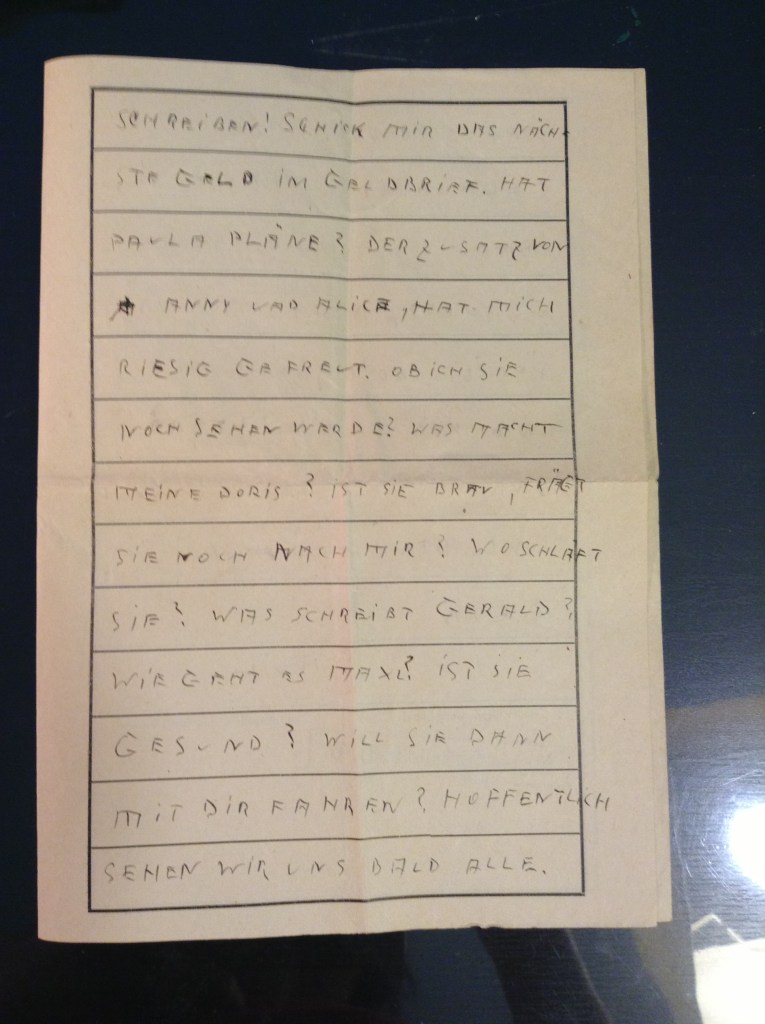
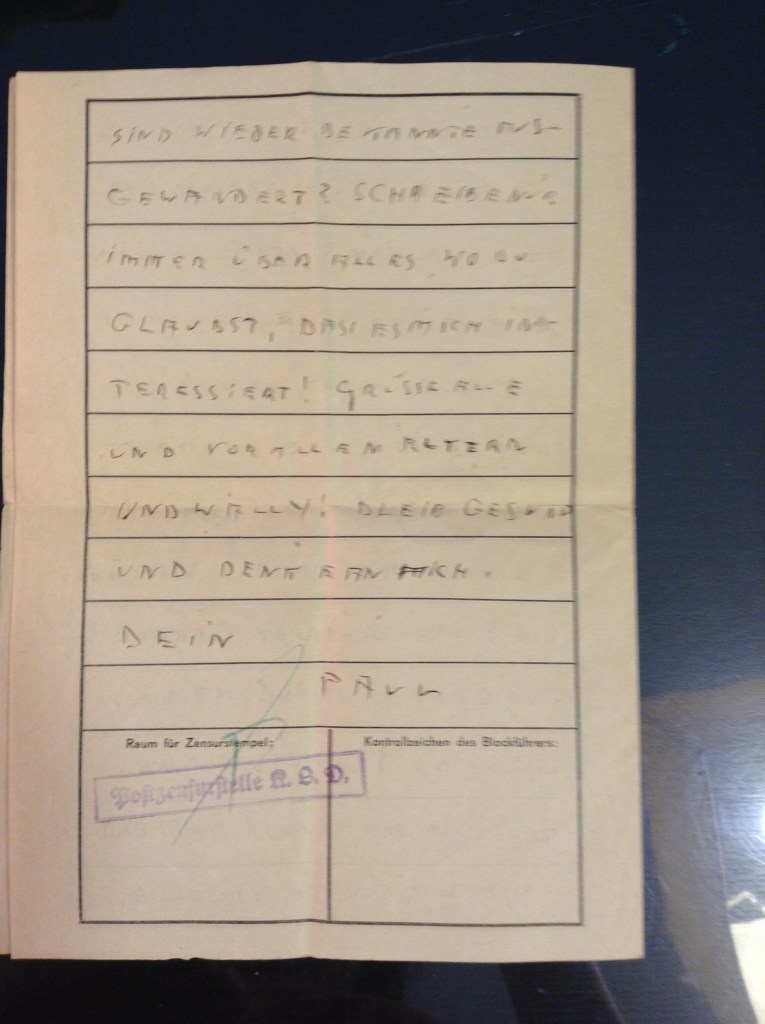
Paul shared the story of Himmler’s visit in his written testimony..
Click on the individual images below to view Paul’s letter from August 14, 1938. Note that this card was sent to Rose in care of Paul’s sister, Valerie, at his parents’ apartment.


Click on the individual images below to view Paul’s letter from August 28, 1938

August 31, 1938 Pages 1 and 4
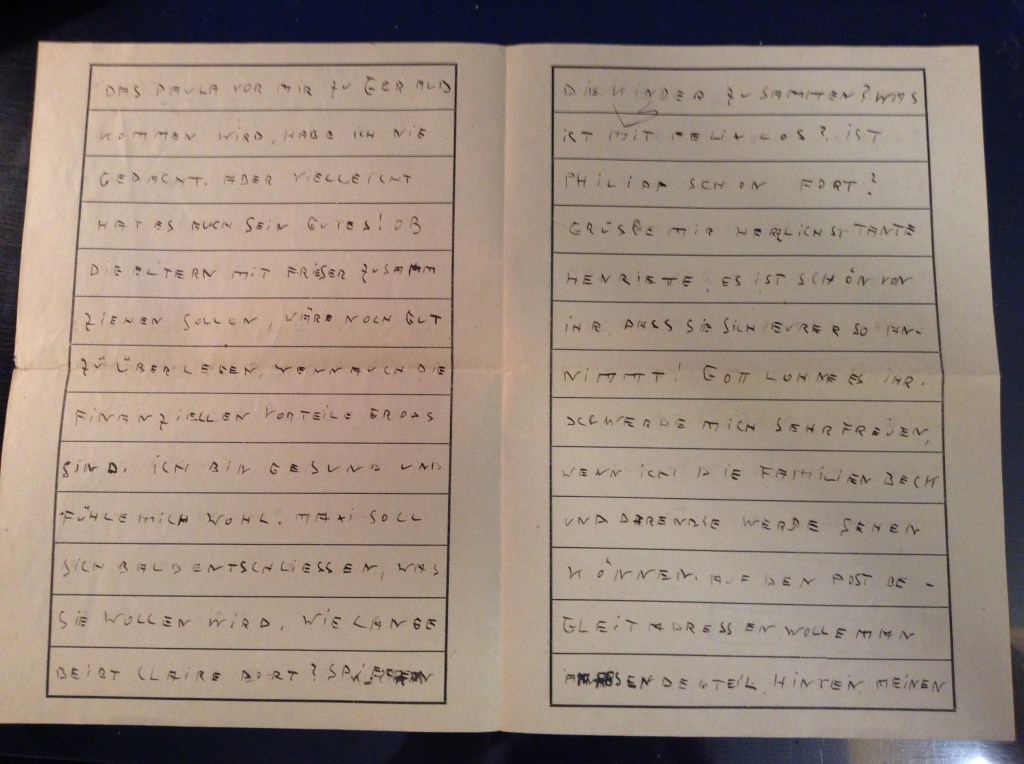
Click on the individual images below to view Paul’s letter from September 11, 1938

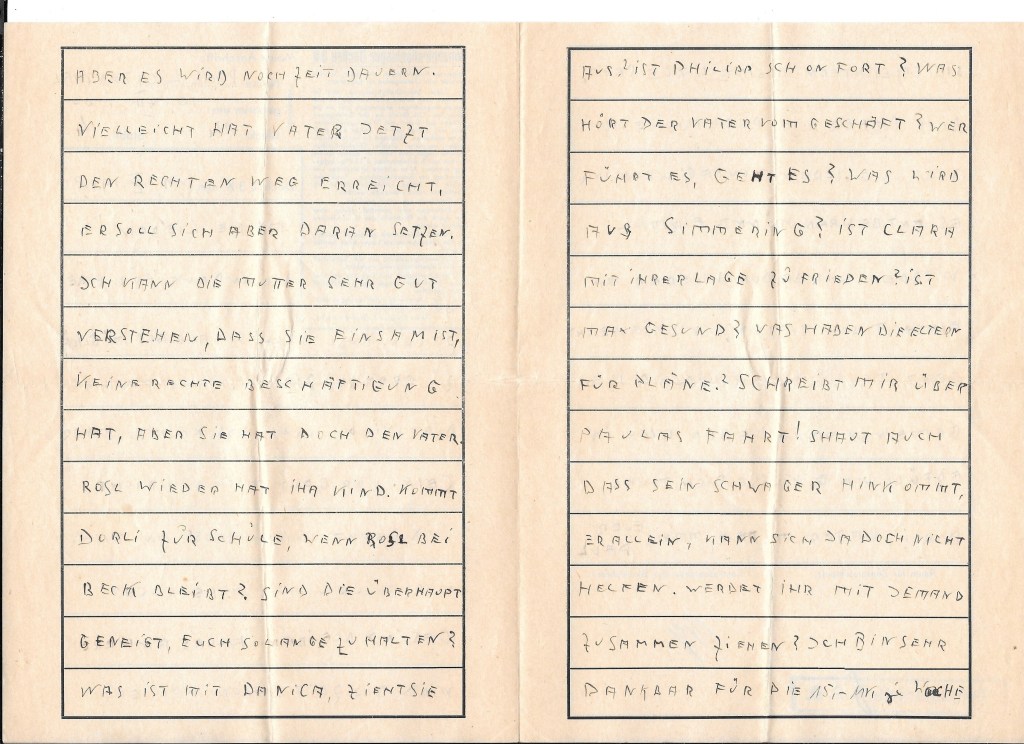
- Paul’s written testimony and information provided in the book, Dachau Song, attested to the fact both Paul and Herbert Zipper were transferred from Dachau to Buchenwald.
Chapter 20
- The description of the house in Merrick, Long IslIsland,and was based on a Google Maps image.
- My mother shared the story of the Hurricane of 1938 and the gift of the candlestick during one of our conversations.

- The description of the car trip from Merrick to New Rochelle was based on my personal knowledge.
- The descriptions of the building at 30 Eastchester and the interior of the apartment were based on my personal knowledge.

- The scene of the family reunion came from my imagination.
 nothingreallybadwillhappen.com